Published on
It is the weekly meeting of the leadership of the Center for Rural Energy Security (CRES) with some of the most important members of its team – graduate students at the University of Missouri who are conducting research for the institute as part of their studies at the university.
Sofia Baker, a Columbia, Missouri native who is pursuing a PhD in Economics, is detailing her work on a zoning and permitting survey she is conducting that is an important tool in determining what trade-offs are involved with increasing and decreasing regulation.
“The most important thing about the survey is giving stakeholders clarity so that they can make better decisions,” Baker said. “The information being collected will be useful to local lawmakers who want to understand what other counties are doing, developers looking to build wind and solar facilities in Missouri, and residents who need to know what rules apply in their area.”
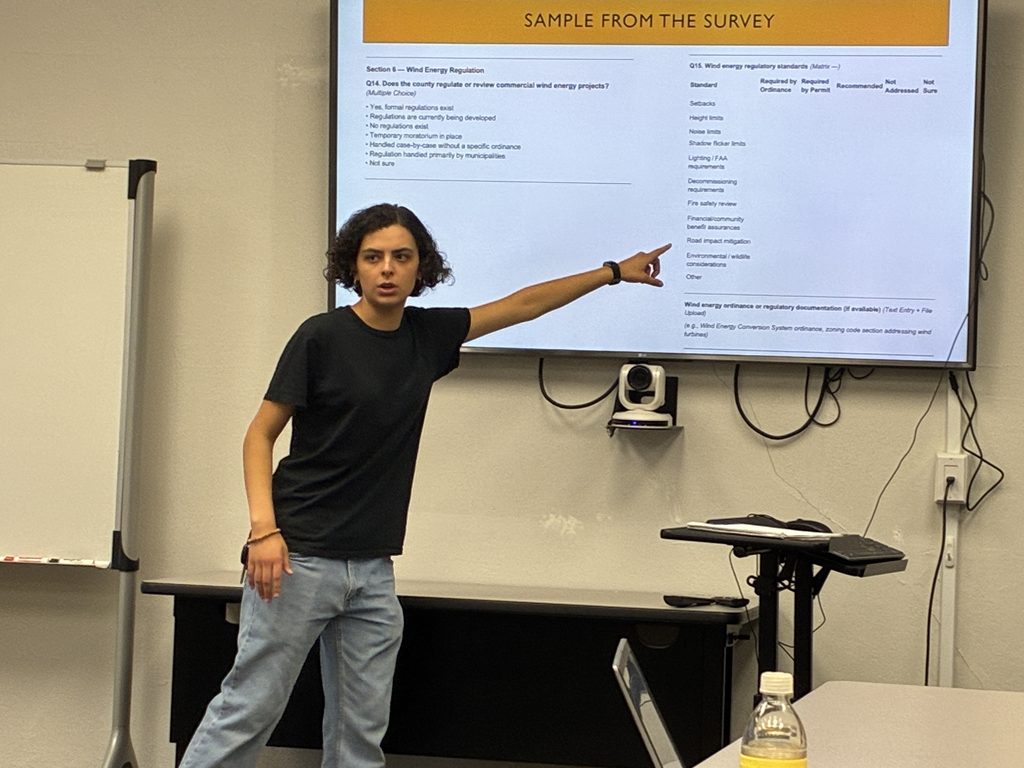
Baker is one of three graduate students, along with David Ogunjemilua and Laura Pardo, who are currently working for CRES as a supplement to their education, an agreement that is mutually beneficial to both these advanced degree students and the Center itself.
“Part of our mission with CRES is to train the next generation of policy scholars and policy analysts who can provide both economically and statistically sound analyses of energy policy issues,” said CRES Executive Director Mike Sykuta. “Working with these graduate students helps us cover more ground with the topics and issues we can study.”
The opportunity to join CRES certainly appealed to Baker, who became affiliated with the institute while working on energy research in the University’s economics department.
“Grad students such as myself benefit from the CRES experience because it teaches us how to apply the economic knowledge and modeling knowledge that we’ve learned directly to industry leaders and people in government who could use our knowledge to make changes in the real world,” said Baker, whose career goal is to develop research that consistently gets in front of people who need it.
David Ogunjemilua is also studying for his PhD in Economics, having earned his undergraduate degree in his native Nigeria before choosing MU for his doctoral work, which focuses on energy and applied economics. He reached out to Sykuta and expressed an interest in working for CRES when the center was just being established in 2025 and has been part of the team of researchers ever since.
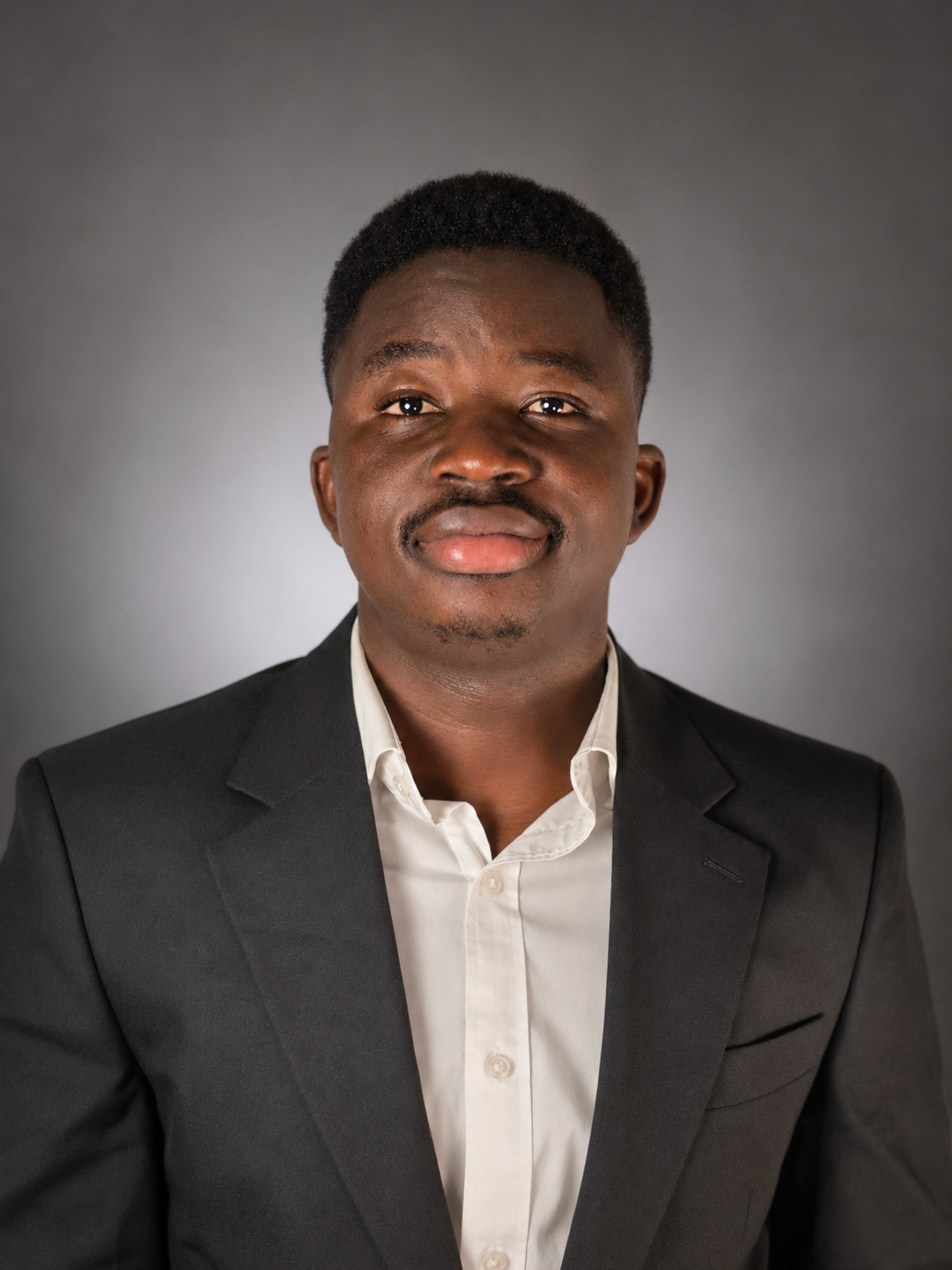
“I have always been particularly interested in the utility industry, especially how government regulations and policies affect electric utilities and the customers they serve,” said Ogunjemilua. “Working with CRES has allowed me to explore these interests further, deepen my understanding of the challenges facing the utility industry, particularly electric utilities, and contribute to research addressing important economic and regulatory issues in this field.”
One of Ogunjemilua’s current research projects examines how residential electrification, particularly the use of electricity for home heating, is associated with household utility payment difficulties and the likelihood of electricity disconnection. Using household-level utility data from Illinois, he is investigating whether households relying on electric heating experience greater financial vulnerability.
“This research is important for informing policies that promote electricity affordability and protect vulnerable households as electric heating becomes more widespread,” he said.
With a long-term goal of working as an economist in the utility industry, an economic consulting firm or research organization, Ogunjemilua sees his CRES experience assisting him in a career conducting rigorous empirical research that helps policymakers, regulators and other stakeholders understand the economic implications of energy policies.
“Being affiliated with CRES provides valuable opportunities to engage in interdisciplinary research and learn from experts working in different areas of the energy industry,” he said. “Through CRES and its partners, I have had the opportunity to interact with professionals from utilities, consumer advocacy organizations, and public service commissions.”
Originally from Colombia where she trained to become a lawyer, Laura Pardo is currently working toward her PhD in Public Affairs at the University, building on her interest in public policy that grew from wanting to understand not only how laws and regulations are developed, but also how they affect communities and the decisions people make each day.
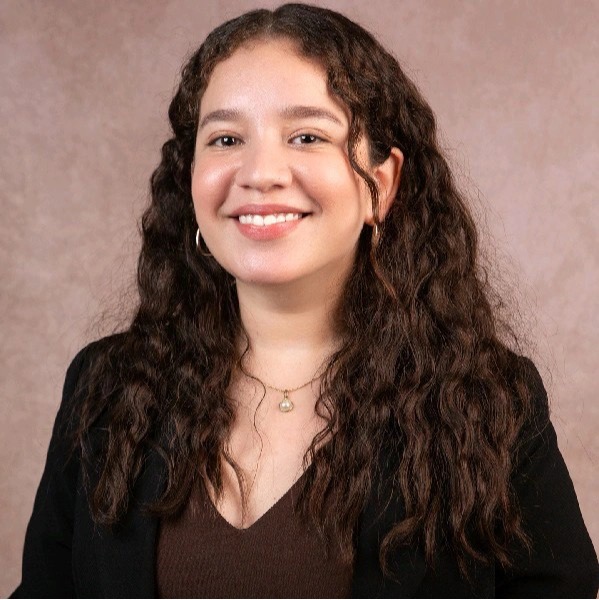
Her current work with CRES involves focusing on legislative tracking, energy affordability, data centers and energy regulation, particularly in rural states like Missouri.
“Part of my work involves developing policy briefs that help translate complex legislative and regulatory developments into accessible information,” Pardo said. “These issues are especially relevant today, as decisions about energy infrastructure, affordability, and regulation have important implications for communities in Missouri and reflect broader challenges being discussed at the national and international levels.”
Most of all, Pardo values her experience at CRES and Mizzou for the opportunity to connect what she learns in the classroom with real-world policy challenges.
“Research centers like CRES give graduate students the chance to collaborate with experienced researchers, develop new skills, and contribute to conversations that extend beyond the University,” said Pardo, who wants to study how regulatory decisions shape the distribution of costs and benefits among households, businesses and communities in her future. “For me, coming from a legal background, being able to approach these questions from economic, political, and regulatory perspectives has been especially rewarding.”
One of the goals for CRES when it was launched in 2025 was to ensure that rural America was not overlooked when it came to the future of energy policy. A big part of that mission is by enlisting the talents of the scholars and analysts of the future, which the institute clearly has in its graduate student researchers.
“Bringing the next generation of policy scholars helps these students to understand the importance of policy-relevant, objective research,” added Sykuta, “while also learning how to communicate their research results and interact with stakeholders and policy makers so that their research can make a meaningful contribution to policy discussions.”